
“Fatal Frame II: Crimson Butterfly Remake” Review by Nick Navarro
Few survival horror games from the early 2000s have maintained the kind of eerie legacy that the original “Fatal Frame II: Crimson Butterfly” managed to carve out. When it first arrived on the PlayStation 2 back in 2003, the game quickly built a reputation for delivering a uniquely unsettling brand of horror rooted in Japanese folklore and atmosphere rather than brute force or constant jump scares. Now, with “Fatal Frame II: Crimson Butterfly Remake,” developer and publisher Koei Tecmo revisits that haunting classic with a full reconstruction designed to modernize the experience while preserving the qualities that made it memorable in the first place. After spending time wandering through the cursed village once again, I came away impressed by how faithfully the remake captures the spirit of the original while also introducing several meaningful improvements.
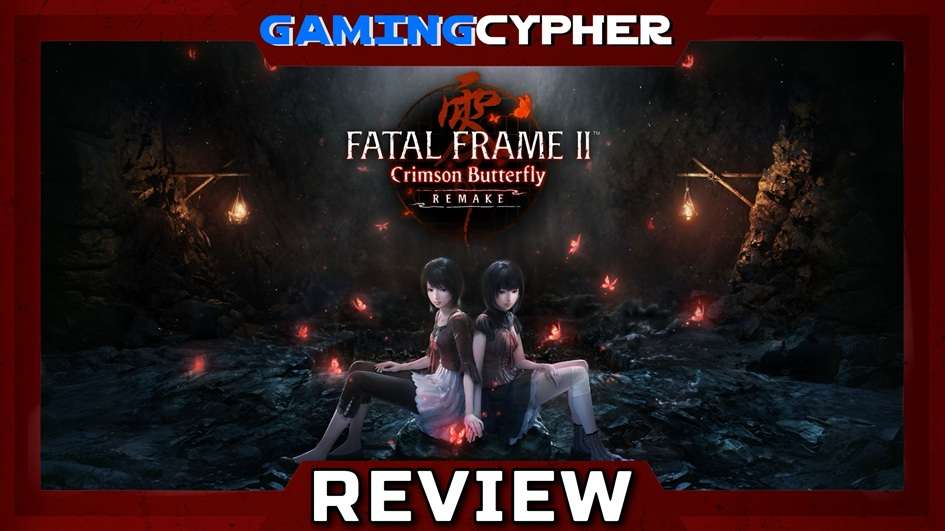
At its core, “Fatal Frame II: Crimson Butterfly Remake” remains a survival horror experience built around atmosphere, exploration, and tension rather than constant action. The story follows twin sisters Mio and Mayu Amakura, who find themselves lost in the abandoned Minakami Village, a place steeped in tragedy and haunted by vengeful spirits. The narrative unfolds gradually as Mio searches for her sister while uncovering the dark secrets behind the village’s past. Even though the premise is fairly straightforward at first glance, the emotional connection between the sisters and the unsettling folklore surrounding the village quickly pull you deeper into the story. Exploring Minakami Village is still the heart of the experience. Much like the original release, the game places players in control of Mio Amakura as she navigates the decaying buildings, winding paths, and shadow-filled interiors that make up the village. The camera perspective remains largely fixed in third person while exploring, a design choice that helps frame each scene in a deliberate way and often heightens the tension when moving through tight spaces or dim corridors. Whenever Mio raises the Camera Obscura, her only real means of defense, the viewpoint shifts into first person, creating a much more intimate and nerve-wracking encounter with the spirits that haunt the area.
The Camera Obscura remains the defining mechanic of the entire series, and it continues to serve as both a weapon and an investigative tool. Instead of traditional combat systems, you need to photograph ghosts in order to damage and eventually seal them away. The remake expands on this mechanic by introducing features like Focus, Zoom, and Filter Switching, which is a nice little touch to both combat and exploration. Filters in particular offer different effects that can help players adapt to encounters with aggressive spirits or uncover hidden clues within the environment. One new mechanic that stands out in this remake is the “Holding Hands with Mayu” feature. This addition emphasizes the emotional bond between the two sisters by allowing Mio to guide Mayu through certain parts of the village while physically connected. It’s a small but thoughtful design change that reinforces the narrative focus on their relationship while also subtly increasing the tension when ghosts begin to appear nearby.
The visual overhaul is immediately noticeable. Character models have been rebuilt with significantly improved detail, with textures for clothing and skin appearing far more refined than before. Minakami Village itself has also been reconstructed with an impressive attention to lighting and shadow. Dark corners feel genuinely foreboding, lantern-lit paths flicker with uneasy warmth, and fog often hangs in the air in a way that makes every step forward feel uncertain. These visual upgrades do a great deal to strengthen the atmosphere that the series has always relied on. The remake introduces 3D sound that allows you to more clearly sense where spirits may be lurking. Hearing a faint whisper behind you or the distant sound of footsteps in an otherwise silent building adds an extra layer of tension to the experience, I highly recommend playing this game with headphones if you can. Beyond the technical improvements, the remake also expands the overall experience with new side stories and additional areas to explore. These extra elements provide more context for the village’s tragic history and add layers of lore that weren’t as prominent in the original version. For players who enjoy digging into the background of haunted locations, these additions help make Minakami Village feel even more fully realized. To be honest though, it was so long since I played the original, I couldn’t really notice what was added until I looked it up. For Die hard fans, I’m curious if they find these additions welcoming.
Despite the many improvements, the remake is not completely without issues. Some changes to the combat mechanics may feel slightly different from what longtime fans remember, and the overall pacing still reflects the slower design philosophy of early survival horror titles. While I personally appreciate that deliberate approach, it may not appeal to gamers who prefer faster-paced modern horror experiences. There were also moments where the performance on my console felt a bit inconsistent, which can occasionally pulled me out of the immersion. Another element that didn’t always work for me was the presence of certain stalker-style enemies. These encounters can add tension, but at times they feel more frustrating than frightening. In addition, the game throws a tremendous amount of lore and optional narrative threads at the you. While I enjoy the deeper storytelling, the sheer volume of information can occasionally feel overwhelming.
Even with those minor shortcomings, the overall experience remains incredibly compelling. The atmosphere is consistently strong, the exploration is engaging, and the story manages to draw you into its tragic mystery in a way that very few horror games achieve. The balance between psychological tension and emotional storytelling is still one of the defining strengths of the series. Ultimately, “Fatal Frame II: Crimson Butterfly Remake” stands as a thoughtful reconstruction of a beloved survival horror classic. By modernizing the visuals, refining the gameplay systems, and expanding the world with new narrative elements, the developers have created an experience that respects its origins while making the game more approachable for modern audiences. For longtime fans, returning to Minakami Village feels like revisiting an old nightmare that has been carefully restored. For newcomers, it may not be for all of you, but this remake offers one of the most accessible ways to experience a cornerstone of Japanese psychological horror.
8/10
For more information, visit HERE
Related: Nick Navarro Reviews

Gaming since I was given an original Nintendo as a kid. I love great storytelling and unique ingenuity. When both collide in a single game, I'm a happy gamer. Twitter/IG @NickNavarro87





More Stories
GTA Online’s Neighborhood Watch Event is Back Plus New Law Enforcement Vehicles, Time-Limited Outfits, and Much More
Rock It Games Launches Bases Loaded II: Second Season and Goal! Two for Nintendo Switch and PlayStation 5
Outright Games Celebrates Easter 2026 with “Big Smiles This Spring” Sales Event