
“Overwatch S2: Summit” Overview by Nick Navarro
Jumping into “Overwatch 2 Season 2: Summit” feels less like a routine content drop and more like a deliberate step forward, one that’s clearly trying to evolve multiple parts of the experience at once instead of just stacking new cosmetics on top of the usual formula.
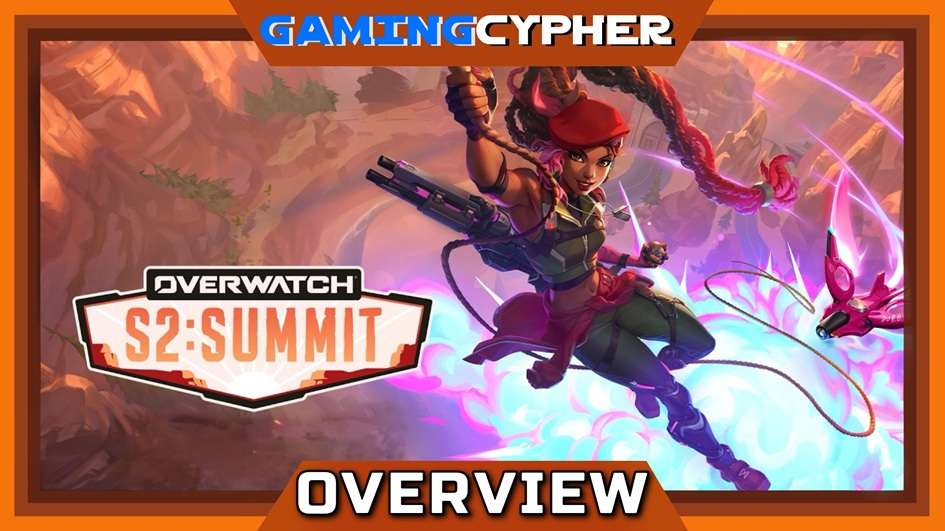
At the center of it all is the arrival of a brand-new DPS hero, Sierra, who immediately ties into the ongoing Talon storyline. She’s not just another addition to the roster either, her inclusion is backed by a dedicated three-week event, Operation: Grand Mesa, which leans heavily into narrative progression. Rather than dumping lore in menus, the season encourages you to earn it through challenges, unlocking story beats and rewards as you go. It’s a smarter way of integrating Overwatch’s world-building into actual play, and it gives the season a stronger sense of identity right out of the gate.
That same philosophy carries into one of the more subtle but impactful additions: Post-Match Accolades. It’s a reworked system that lets you vote on standout performances, things like clutch plays or teamwork that don’t always show up on the scoreboard. It sounds small on paper, but in practice, it adds a layer of personality to matches that Overwatch has been missing for a while. Matches don’t just end anymore, they wrap up with a sense of recognition, which helps reinforce the team-based DNA the game was built on.
On the gameplay side, Blizzard has taken a meaningful swing at improving flow with a rework of the Antarctic Peninsula map. The changes focus on cleaner engagements, better sightlines, and more intuitive flank routes, all of which aim to reduce the kind of chaotic bottlenecks that could slow matches down. It’s not a flashy update, but it’s the kind of refinement that long-time players will immediately feel.
There’s also a broader push toward system-wide tuning this season. The Perks mini refresh adds new options to several heroes, while others see abilities folded into their base kits to keep things balanced. On top of that, Stadium mode continues to evolve with hero adjustments, a new map in Lijiang Night Market, and a shift away from seasonal resets toward a decay system. That last change, in particular, feels like a response to ongoing player feedback, less punishing, more consistent progression over time.
Of course, it wouldn’t be a new season without a heavy emphasis on cosmetics, and Summit delivers on that front in a big way. The 80-tier Battle Pass is packed with rewards, and this time there’s a noticeable thematic throughline. A lot of the skins lean into a nature-infused, almost druid-like aesthetic, blending magic, spring elements, and vibrant color palettes in a way that feels distinct from past seasons. It’s not just random skins thrown together; there’s an actual vibe here, especially with the Spring Fairy designs and seasonal flair baked throughout the pass.
Then there’s the headline cosmetic: Soldier: 76’s first Mythic skin. Volted Overdrive doesn’t just look different, it’s built to be customized across four tiers, letting you tweak visual effects, color schemes, and even ambient details. It leans hard into a cybernetic, high-voltage aesthetic, giving Soldier: 76 a much more futuristic edge than we’ve seen before. It’s the kind of Mythic that feels like a true progression reward rather than just a flashy unlock… and I need it!
Alongside it, Genji also gets a Mythic-tier weapon skin, Sumi-ichimonji, which takes a completely different direction, drawing from traditional ink and calligraphy-inspired visuals. The contrast between the two Mythics actually works in the season’s favor, offering players very different styles depending on what they’re chasing. Even the side content feels more experimental this time around. There’s a limited-time 4v4 mode focused entirely on Emre, which shifts the game into a more controlled, mirror-match style format. It’s chaotic in its own way, but also surprisingly skill-focused since both teams are working with the exact same toolkit.
And then there are the smaller touches, like Overwatch launching on the Nintendo Switch 2 with improved performance (haven’t tried it out myself, so no comment on how it runs), or the new webtoon series expanding the story outside the game. None of these are headline features on their own, but together they reinforce the idea that Blizzard is trying to build a broader ecosystem around Overwatch rather than keeping everything confined to matches.
What stands out most about Season 2: Summit is how interconnected everything feels. The new hero ties into an event, the event feeds into lore, the Battle Pass supports the seasonal theme, and even the system changes seem aimed at smoothing out long-term play. It’s not just about giving players more, it’s about making the experience feel more cohesive. And for a game that’s constantly trying to redefine itself, that kind of direction matters. Let’s see how the rest of the season shakes out.
You can visit the official Overwatch website.
Related: The Long Road Back: Where ‘Overwatch’ Stands in 2026

Gaming since I was given an original Nintendo as a kid. I love great storytelling and unique ingenuity. When both collide in a single game, I'm a happy gamer. Twitter/IG @NickNavarro87


More Stories
Call of Duty: Black Ops and Black Ops II Now Available for PlayStation 4 and 5
Assassin’s Creed Black Flag Resynced Now Available Globally
GTA Online Next Major Update, The Kortz Center Heist, Coming July 14